Hello and welcome to the Blog Page, where I will try and either bring valuable information on the Real Estate Industry on Hilton Head Island. If you have a topic you would like me to write about or research, please call/text or email me at 843.816.6388. Respectfully, Susan Ochsner - YOUR Hilton Head Agent. 

Feb. 10, 2026

The True Cost of Homeownership: What You Pay Beyond the Mortgage

When most homebuyers calculate whether they can afford a new home, they focus almost exclusively on one number: the monthly mortgage payment. It's the figure lenders qualify them for, the number discussed during showings, and the benchmark used to determine budgets.

The average annual cost of owning and maintaining a single-family home in the U.S., excluding the mortgage itself, is estimated at around $21,400 in 2025—roughly $1,800 per month.¹ When you factor in these national average ownership expenses, a $2,500 monthly mortgage can grow to over $4,000 in total housing costs.

Qualifying for a mortgage answers one question: "Can a bank trust you with this loan?" It doesn't answer the more important one: "Can you comfortably maintain this lifestyle?"

In today's market, where nearly 45% of homeowners report post-purchase regrets (most commonly because maintenance and hidden costs were higher than expected), understanding the full financial picture before buying has never been more important.²

The Predictable Ongoing Costs

Property Taxes

Property tax bills have been rising sharply nationwide, with the average reaching $4,271 in 2024 and many homeowners seeing increases of 16% or more.3 Even where tax rates dip slightly, rising home values keep actual bills climbing—creating the irony that a home's appreciation increases annual expenses. Here is the tax calculator for Beaufort County: https://www.beaufortcountyauditor.com/calc

Property taxes aren't truly fixed. Reassessments happen regularly, and as neighborhood values rise, so do tax bills—even when rates stay the same. Beaufort County reassesses every five years (state law).

Homeowners Insurance

As of December 2025, the average premium for a new policy rose 8.5% year-over-year.4 Climate disasters, higher rebuilding costs, and insurer risk recalibration continue driving these increases, and the trend shows no signs of reversing.

A homeowner could see their monthly payment jump $200-300 in a single year without taking any action themselves—simply because their mortgage servicer adjusted the escrow to cover higher insurance premiums. We have some fabulous local agents to help you shop around.

HOA Dues

About 40% of homes for sale have HOA fees, with median costs around $125 per month, though single-family homes typically range from $200-$300 monthly. These fees rarely decrease and often include special assessments that can add thousands in unexpected annual costs. Many island communities are now in second generation and needing to spruce up signs, club houses and such. Make sure you know what is coming.

Utilities

In 2024, energy and utility costs averaged $4,494 annually, with internet and cable adding another $1,515.1 Buyers moving from apartments to single-family homes often see these costs double due to increased square footage, outdoor irrigation, and climate control demands.

Routine Maintenance

Beyond emergencies, homes require ongoing care: lawn service, gutter cleaning, pest control, HVAC servicing, and seasonal tasks. These aren't luxuries for many households—they're practical solutions to time constraints and property upkeep. Collectively, these services can add $200-400 monthly to ownership costs.

The Irregular—but Inevitable—Expenses

Major System Replacements

This is where many homeowners get caught off guard. Maintenance and repairs aren't a matter of "if" but "when"—and recent years have made "when" far more expensive.

Home maintenance now averages around $8,800 annually, with first-year homeowners often facing even higher costs.1,6 Major repairs aren't cheap: These are national averages. Island costs are a bit more.

      HVAC replacement: $5,000-$10,000

      Roof replacement: $8,000-$15,000

      Water heater: $1,200-$2,500

      Foundation repairs: $4,000-$12,000

These aren't possibilities—they're certainties with varying timelines.

Use the inspection as a planning tool. A 15-year-old water heater or aging roof signals $8,000-12,000 in likely expenses within the first few years. That's not a deal-breaker—it's a budget roadmap. Buyers who understand these timelines can plan strategically instead of scrambling when systems fail.

Newer isn't maintenance-free. Newer builds offer a temporary reprieve, but systems still age, warranties expire, and eventually every home requires major capital improvements.

Emergency repairs happen at the worst times. An HVAC failure during a heat wave, a burst pipe in winter, or storm damage to the roof—these scenarios happen when it's least convenient and most expensive. Without liquid reserves, a single emergency can derail finances entirely.

Ownership Costs That Creep Up Over Time

Here's what surprises many first-time buyers: the so-called "fixed costs" of homeownership aren't actually fixed.

While a locked-rate mortgage provides payment stability, the escrowed components—taxes and insurance—can climb significantly year over year due to inflation, climate risk, and local policy changes. A mortgage payment that felt comfortable at closing can feel tight three years later, even without lifestyle changes.

Picture this: a letter arrives saying the monthly payment is increasing $200 because insurance premiums rose and the property was reassessed at a higher value. No move, no refinance, no renovation—yet annual housing costs just jumped $2,400.

The same gradual creep affects utilities, maintenance services, and every other aspect of homeownership. Budgeting for homeownership means expecting these costs to rise 3-5% annually. True stability requires planning for volatility.

Planning Smarter: How Homeowners Can Stay Ahead

The encouraging news: buyer's remorse is largely preventable. The issue isn't buying the wrong house—it's buying without adequate preparation.

Create a Dedicated House Repair Fund

Separate from emergency savings, this fund exists solely for home maintenance and repairs. Treat it like a non-negotiable monthly bill—set up automatic transfers so it happens without thinking about it.

The old rule of saving 1% of your home's value annually? It's outdated. Plan for more—closer to 2-3% of your home's value annually, or whatever amount lets you sleep at night knowing the HVAC won't derail your budget.

Don't Drain Your Savings at Closing

Cash reserves protect against surprises and prevent forced debt when repairs arise. If possible, keep several thousand dollars liquid after closing rather than putting every available dollar into the down payment or upgrades. That breathing room matters more than most buyers realize.

Invest in Preventative Maintenance

Annual HVAC servicing, gutter cleaning, and seasonal inspections catch small problems before they become expensive emergencies. A modest service call that prevents a major system failure is always worthwhile.

Create a seasonal maintenance calendar: HVAC checkups in spring and fall, gutter cleaning before winter, roof inspections after major storms. Consistency prevents costly surprises.

Know Your Home's Systems and Timelines

Understanding when major systems were last replaced helps predict future expenses. A 12-year-old water heater isn't an emergency today, but it signals a likely expense within 2-3 years. Planning beats scrambling.

When Homeownership Still Make Sense

Despite the expenses, homeownership remains one of the most powerful wealth-building tools available to American families—when approached correctly!

Long-Term Equity Building

Mortgage payments build equity with every payment. Unlike rent, ownership creates a forced savings mechanism that compounds over decades. In most markets, homes appreciate over time, multiplying the wealth-building effect.

Stability and Control

Homeowners control their living environment. Want to renovate the kitchen, paint the walls, landscape the yard, or install solar panels? Ownership provides autonomy that renting never will. That control has both lifestyle and financial value.

Predictability vs. Rent Volatility

While ownership costs rise gradually over time, rent increases can be sudden and dramatic—with national rents climbing 31% over the past five year.7 A fixed-rate mortgage provides payment predictability that renting cannot match.

Yes, taxes and insurance increase, but the principal and interest portion—typically 60-70% of the total payment—remains locked. Renters face volatility on 100% of their housing costs.

Lifestyle Benefits

Beyond finances, homeownership offers intangible benefits: deeper community roots, stability for families, space for hobbies, and the pride of building something that's truly yours. These benefits have real value, even if they don't appear on a balance sheet.

The key is ensuring the financial foundation supports the lifestyle, not undermines it.

A Better Way to Think About Affordability

The true measure of affordability isn't what a lender will approve—it's what allows sleeping well at night when the water heater fails or the insurance premium spikes.

The smartest buyers calculate affordability as "mortgage plus carrying costs" from the start, which might narrow the price range slightly but creates breathing room and peace of mind.

Homeownership remains one of the most powerful wealth-building tools available, but only when approached with financial realism rather than maximum leverage. Having an honest conversation about what affordability truly looks like isn't about limiting dreams—it's about making sure those dreams don't become financial nightmares.

Sources:

  1. Bankrate: https://www.bankrate.com/home-equity/hidden-costs-of-homeownership-study/
  2. Bankrate: https://www.bankrate.com/f/102997/x/c84a6b9359/homeowner-regrets-survey-press-release.pdf
  3. Matic: https://matic.com/blog/2026-home-insurance-predictions/
  4. NAHB: https://www.nahb.org/blog/2025/12/property-taxes-2024-residential/
  5. Realtor.com: https://www.realtor.com/research/homeowners-associations-2024/
  6. Inman: https://www.inman.com/2026/01/12/as-home-maintenance-costs-rise-agents-turn-to-tools-that-reduce-buyer-risk/
  7. Rentec Direct: https://www.rentecdirect.com/blog/new-data-shows-the-state-of-rent-in-2025-from-rentec-direct/



Dec. 7, 2025

Planning Your 2026 Real Estate Moves


Planning Your 2026 Real Estate Moves: A Guide to the Best Buying and Selling Seasons

Timing isn’t everything in real estate, but it can mean the difference between saving $20,000 or paying a premium, selling in 30 days or waiting three months, and negotiating from a position of strength or uncertainty.

As we look toward 2026, understanding seasonal patterns has become more critical than ever. With inventory levels normalizing and market conditions continuing to evolve, knowing when to make your move can dramatically impact your outcome. Whether you're a first-time buyer watching every dollar or a seller trying to maximize your profit, the season you choose matters.

The challenge? Not everyone can wait for the "perfect" time. Job relocations happen in January. A growing family needs more space in July. Retirement doesn’t wait for spring. This guide breaks down the pros and cons of each season so you can make the smartest decision within your timeline.

Spring: Peak Selling Season (March-May)

Spring isn’t called peak season by accident. The housing market comes alive with energy that is impossible to ignore. Data shows homes listed in spring sell in as few as 33 days, compared to 49 days in winter.1 May also offers the highest seller premium, 13.1% above market value, translating to faster sales and higher returns.2

Buyer psychology also plays a role. Warmer weather encourages open house attendance, longer daylight allows more viewings, and families aim to move before school starts, creating urgency. Spring blooms and greenery boost curb appeal in ways winter staging cannot match.3

The Competition Factor

The trade-off is that spring’s advantages come with more competition. Sellers must make their homes stand out, pricing correctly, staging well, and marketing aggressively. Buyers benefit from the largest inventory, with new properties listed weekly, but face higher competition. In May and June, 35% of buyers pay above list price compared to 24% in January, making bidding wars common and increasing pressure to decide quickly.4

Summer: Extended Peak Season (June-August)

As spring transitions to summer, the market maintains its momentum. June often sees the highest sales volume of the year, with more than 16,500 homes selling per day.1

The Family Timeline

Summer’s appeal aligns with family schedules, as school breaks let children move without disrupting education. Warm weather and long days make moving easier and provide ample time for viewings. Outdoor spaces like pools, patios, and landscaping are at their best. Higher prices and sales activity reflect the premium buyers pay for peak-season convenience. 

Late Summer Shifts

By August, changes appear. Unsold spring or early summer listings may become “stale,” and buyers begin settling as school starts. Competition eases slightly, though prices stay high, making it a transition month where patient buyers can benefit.

A practical concern is moving costs, which peak in summer due to high demand. Nearly half of all household moves occur between June and August, increasing competition for movers and rental trucks alike.5

Fall: Underrated Opportunity Season (September-November)

Fall might be real estate's best-kept secret. While conventional wisdom suggests spring is the only time to transact, savvy buyers and sellers increasingly recognize fall's unique advantages.

Less Competition, More Serious Players

Data shows a large share of home sales occur in the fall, a detail often overlooked. With fewer competing sellers, listings stand out more, and active buyers tend to be serious and ready to act quickly.3

October typically offers the best conditions for buyers. Data shows it has one of the lowest seller premiums of the year—about 8.8% above market value—as demand cools and competition eases.2 Home prices also tend to dip slightly from summer highs, saving buyers thousands compared to peak-season purchases.4 For first-time buyers especially, fall can be an ideal time to find value without the bidding wars of spring and summer.

The Urgency Factor

Fall brings natural urgency. Buyers aim to close before holidays and bad weather, while sellers may be motivated by taxes or avoiding a winter listing. Comfortable weather in many areas makes showings easier.

Fall buyers are often more decisive, with fewer casual browsers and more serious purchasers ready to negotiate.

Winter: Value Season (December-February)

Winter gets a bad reputation in real estate, but for buyers with flexibility, it offers the year's best value proposition.

The Numbers Don’t Lie

The low-competition environment in winter provides the best opportunity for buyers to secure a discount. In January, only 24% of buyers pay above list price compared to 35% in May and June, which greatly reduces the chance of bidding wars.4 This lower competition also means winter homes stay on the market longer, averaging 49 days versus 31 days during peak season, giving buyers more time, less pressure, and stronger negotiating power.1 Motivated sellers become more flexible as the holidays pass. Moving companies also offer their lowest rates in winter.

Winter’s Challenges

Winter has trade-offs. Sellers face the lowest buyer traffic, holiday distractions, limited curb appeal from dormant landscaping, and shorter daylight for showings. 

Yet winter offers advantages. Less competition can help if you price aggressively and present well, and buyers who do visit are highly motivated, often relocating for jobs. Warm-climate markets like Florida and Arizona see smaller winter slowdowns, making location important.1

Snow and ice create safety hazards, and cold weather makes moving harder. However, winter also reveals property truths, such as heating efficiency, drafty windows, and roof performance, which is all information savvy buyers use during inspections.


Regional Differences: Not All Markets Are Equal

Seasonal changes in the real estate market depend heavily on location, meaning a strategy that works in one city may fail in another. Markets in the Midwest and Northeast experience the most dramatic seasonal swings due to harsh winters, which push most activity into the short window between May and August. For example, daily home sales in the Midwest often more than double from January to June, with states like Illinois and Ohio seeing significant annual price swings.

In contrast, Southern and Western markets like Hilton Head, enjoy stable, year-round activity because of mild weather. Places like California and most of the South see much less severe slowdowns in winter. The exception markets are those where mild winter weather attracts buyers, like Phoenix, Arizona, where the best selling time is late November. Understanding these local patterns is crucial, as local market dynamics always matter more than general national statistics. Feel free to reach out if you would like to know more about the specific seasonal patterns in your local area.


Pricing Strategies by Season

Pricing strategy must adapt to seasonal realities. What works in May fails in December, and vice versa.

Spring and Summer Pricing

During peak season, competitive pricing often attracts multiple offers. Pricing strategically 10–15% below comparable sales can spark competition and push final offers above list. Psychological pricing also matters; listing slightly under round numbers ($349,000 instead of $350,000) increases online visibility and appeals to buyer behavior. Emphasizing seasonal features such as outdoor spaces, natural light, and blooming gardens helps justify premium pricing.3

Fall Reality Check

As competition declines in fall, pricing should be more realistic. Listing slightly below spring comparables can help generate activity. Flexibility on price attracts serious year-end buyers eager to close before the holidays and bad weather. Recognizing buyer urgency allows you to price strategically rather than reactively.2

Winter Aggression

Winter requires more aggressive pricing to attract a smaller buyer pool. Pricing 5–10% below spring values can create immediate interest. Motivated sellers should focus on value over premium pricing. Buyers shopping in January aren’t bargain hunters, they’re seeking homes that justify moving during an inconvenient season.1

Year-round best practices stay consistent: use a Comparative Market Analysis, consider current market conditions, account for unique property features that algorithms may overlook, and monitor comparable sales while staying open to adjustments.


Buyer Offer Strategies by Season

Spring and Summer Competition

Peak season requires quick, confident action. Get pre-approved to show you’re a serious buyer and be ready to move fast. Consider offering above asking price when you find the right property, and use an escalation clause to outbid competitors up to your limit. Flexible closing dates also strengthen your offer. Some buyers write personal letters to create emotional connections.

Fall and Winter Leverage

Negotiating power shifts with the seasons. In fall and winter, when seller competition drops and buyer pools shrink, you gain leverage. You can more easily request seller concessions such as closing costs, home warranties, repairs, or even appliances and fixtures. Use inspection results to negotiate price reductions, as motivated sellers grow more flexible later in the season. You can also request longer inspection periods and winter move-in credits.¹

Year-Round Negotiation Fundamentals

No matter the season, understanding the seller’s motivation is key. Support your offer with market data rather than emotion, and build rapport when possible. Stay calm and avoid emotional decisions. 

Have your agent handle offers and counteroffers to reduce tension. Know your limits and walk away from deals that don’t fit your goals. In buyer’s markets, be assertive; in seller’s markets, make offers strong and decisive. The fundamentals stay the same, though their intensity shifts with the season. 


BOTTOMLINE

Seasonality creates opportunities and challenges, but personal circumstances should drive timing. Spring/early summer brings the highest prices and fastest sales. Winter offers buyers the best deals. Waiting for the “perfect” season doesn’t help if life demands action.

Understanding your specific situation, timeline, and goals allows us to create a customized strategy that maximizes outcomes within your constraints. The best time to move is when it's right for you.

Respectfully,

Susan Ochsner

Yourhiltonheadagent.com

Sources

1.      National Association of REALTORS®. Navigating the Housing Market: A Seasonal Perspective. 2024.
https://www.nar.realtor/blogs/economists-outlook/navigating-the-housing-market-a-seasonal-perspective

2.      Bankrate. Best Time to Sell a House. 2024
 https://www.bankrate.com/real-estate/best-time-to-sell-house

3.      Investopedia. How Seasons Impact Real Estate More Than You Think. 2024.
https://www.investopedia.com/articles/investing/010717/seasons-impact-real-estate-more-you-think.asp

4.      Zillow
https://www.zillow.com/learn/best-time-to-buy-a-house/

5.      My Moving Journey
https://mymovingjourney.com/blogs/moving-in-peak-season-vs-off-season


Nov. 18, 2025

Can You Really Trust Online Home Estimates

For millions of homeowners, checking their Zillow Zestimate has become as routine as checking a stock portfolio—a quick hit of seeing your home's estimated value, right at your fingertips. With 178 million monthly users and over 100 million homes covered, the platform's instant, free, and convenient appeal is undeniable.

But here's a famous cautionary tale: Spencer Rascoff, Zillow's former CEO, sold his own home for a staggering 40% less than its Zestimate. This story highlights a critical fact that many homeowners don't realize: Zillow itself calls its Zestimate a "starting point... not an appraisal"1.

If the creator of the system can be off by that much, how accurate are online home valuations for the rest of us? Relying on an automated number for your most valuable asset could be a mistake worth tens of thousands of dollars.

In this article, we'll examine how these powerful algorithms work, reveal the data behind their wildly varying accuracy rates, identify what they systematically miss, and show why local human expertise remains irreplaceable when precision—and your equity—matters most. My smart friends have taken this apart to help us see valuation in a better light.

How These Algorithms Actually Calculate Your Home's Value

Automated Valuation Models are algorithms designed to crunch massive amounts of data in seconds.3 Think of them as sophisticated calculators—impressive in computational power, but limited by the quality and completeness of their inputs.


These systems analyze public records, tax assessments, recent comparable sales from the MLS, and basic property characteristics like bedrooms, bathrooms, and square footage.4 For standard properties with plenty of recent comparable sales, this data-driven approach can produce reasonable estimates.


But here's the fundamental limitation that shapes everything else we'll discuss: these models rely purely on historical data and never actually visit your property. They're backward-looking by design, using what sold yesterday to predict what might sell tomorrow, and while an algorithm can tell you that your home has three bedrooms, it cannot tell you that the primary suite has stunning morning light that makes buyers fall in love.

Accuracy and When Online Estimates Miss the Mark

Now for the numbers that every homeowner needs to understand.


When discussing AVM accuracy, you'll encounter the term "median error rate." This measures how far the estimate typically deviates from the actual sale price—specifically, half of all estimates fall within this percentage, and half fall outside it.2 Lower is obviously better, but context is everything.

The On-Market vs. Off-Market Divide

Here's where online home estimate accuracy gets interesting—and where most homeowners make their biggest mistake.


Platform

On-Market Error

Off-Market Error

Zillow

1.94% median

7.06% median

Redfin

1.98% median

7.72% median


When a home is actively listed for sale, AVMs perform surprisingly well. Zillow's median error rate drops to just 1.83%–1.94%, while Redfin achieves 1.98%.2,5 These are impressive numbers. Why? Because when your home hits the market, these algorithms gain access to fresh, verified MLS data—professional photos, detailed descriptions, and real-time pricing intelligence.


For off-market properties—which describes your home right now if you're just curious about its value—the median error rate skyrockets. Zillow's accuracy drops to 7.06%–7.5%, while Redfin's plummets to 7.66%–7.72%.2,5That's not a minor adjustment. That's a fundamental breakdown in reliability.

What This Means in Actual Dollars

Let's make this tangible. On a $400,000 home, a 7% median error translates to ±$28,000 or more—and remember, that's the median, meaning half of all estimates miss by even more than that. For a $600,000 property, you're looking at potential discrepancies exceeding $40,000. For luxury homes, the gap can easily reach six figures. The difference between an accurate valuation and an algorithm's best guess could equal is immense—so it’s important to understand their limitations.

The Algorithm's Blind Spots: What Online Estimates Cannot See

If AVMs have access to so much data, why do they miss by such significant margins? The answer lies in what they can't measure.

The Condition Conundrum

This is the AVM's Achilles heel. Every algorithm must assume your home is in "average condition." Your newly renovated kitchen with custom cabinetry? Average. Your finished basement adding 600 square feet? Average. Your brand-new HVAC system? Average. Flip it around—deferred maintenance, a crumbling driveway, outdated bathrooms—all get the same treatment. This isn't minor—condition often accounts for significant price variations between otherwise identical properties.

Location Nuances and Human Appeal

Algorithms understand neighborhoods but struggle with subtleties. Two identical homes—one on a quiet cul-de-sac, another backing a busy road. Same value to an algorithm, vastly different to buyers. 

Market Lag and Unique Properties

Because AVMs depend on historical sales data, they lag behind current conditions. In rapidly moving markets, this lag can render estimates nearly useless. For custom homes, luxury properties, or anything unique, AVMs often fail completely—there simply aren't comparable sales to analyze.

The Solution: Why a CMA Is the Indispensable Tool

Comparative Market Analysis (CMA) is the professional valuation tool that real estate agents provide. It's the bridge between raw data and real-world value—combining analytical power with human expertise and local knowledge.

What Makes a CMA Superior

Physical Inspection: Unlike an algorithm, your agent actually walks through your home. They see the quality of updates, evaluate floor plan flow, notice natural light, and assess the overall "feel" that influences buyer psychology. They identify value-adding features no database captures.


Micro-Local Knowledge: Agents live and breathe their local markets. They know which streets command premiums, understand seasonal patterns and inventory levels, and track current buyer demand. They explain not just what your home is worth, but why—and how to position it strategically.


Real, Adjusted Comparables: Your agent doesn't just pull recent sales—they analyze and adjust them. They can justify why your home is worth $20,000 more than one down the street: "Their kitchen had 1990s oak cabinets; yours has modern shaker style buyers want, justifying a $15,000 adjustment. They had builder-grade carpet; you have refinished hardwood, worth another $10,000."


Feature

AVM (Zestimate/Redfin)

CMA (Agent Valuation)

Who provides it

Automated algorithm

Licensed local agent

Property Inspection

 No physical walk-through

Yes, condition is assessed

Neighborhood Nuance

Limited (based on ZIP/broad area)

Deep local insight (street, school zones, micro-market)

Update Frequency

Automated (can lag behind market shifts)

Real-time human context

Accuracy

~2% (on-market), ~7% (off-market)

Typically closer to final sale price

Pricing Strategy

None (provides only a number)

Tailored strategy (under-list, market positioning)

Best Use

Rough, initial estimate

Serious pricing & selling decisions


Why Pricing Correctly From Day One Matters

For sellers, an accurate CMA prevents the two most expensive mistakes. Overpricing based on an inflated estimate leads to your home sitting stagnant—each week without offers damages your negotiating position and ultimately results in selling for less than if you'd priced correctly initially. Underpricing based on a conservative algorithm means leaving tens of thousands on the table. In real estate, you rarely get a second chance at a first impression. The initial listing price sets market perception, and getting it right requires the precision only a CMA provides.

When Online Valuations are Useful

For Sellers: Never set your listing price based solely on an online estimate. Use it as a conversation starter, but rely on your agent's CMA to build a strategic, defensible pricing plan.


For Buyers: Use online estimates to establish a general ballpark before you start searching, but trust your agent's analysis of recent comparable sales when crafting offers. The algorithm doesn't know that three other buyers are submitting offers this weekend—your agent does.

BOTTOMLINE: Technology Is a TOOL, Not a GUIDE

Online home valuations are impressive tools for satisfying curiosity, but they remain prone to significant error—especially for off-market properties where median error rates of 7-8% translate to tens of thousands of real dollars. The blind spots around condition, location nuances, and market timing aren't minor technical limitations—they're fundamental gaps that only human expertise can fill. 


When it comes to your largest financial asset and a decision that will impact your life for years, technology can give you a ballpark, but only a professional CMA can give you the strategic precision you need.


Ready to know what your home is really worth? Contact me today for a complimentary Comparative Market Analysis—a personalized, in-person valuation that examines your specific property, incorporates current market dynamics, and provides the strategic guidance the internet simply cannot match.


Sources

  1. Inman -
    https://www.inman.com/2016/05/18/zillow-ceo-spencer-rascoff-sold-home-for-much-less-than-zestimate/
  2. Zillow Zestimate Accuracy -
    https://www.zillow.com/z/zestimate/
  3. Rocket Mortgage: Automated Valuation Model -
    https://www.rocketmortgage.com/learn/automated-valuation-model
  4. Experian: What Is an Automated Valuation Model -
    https://www.experian.com/blogs/ask-experian/what-is-automated-valuation-model/
  5. Redfin -
    https://www.redfin.com/redfin-estimate
Sept. 6, 2025

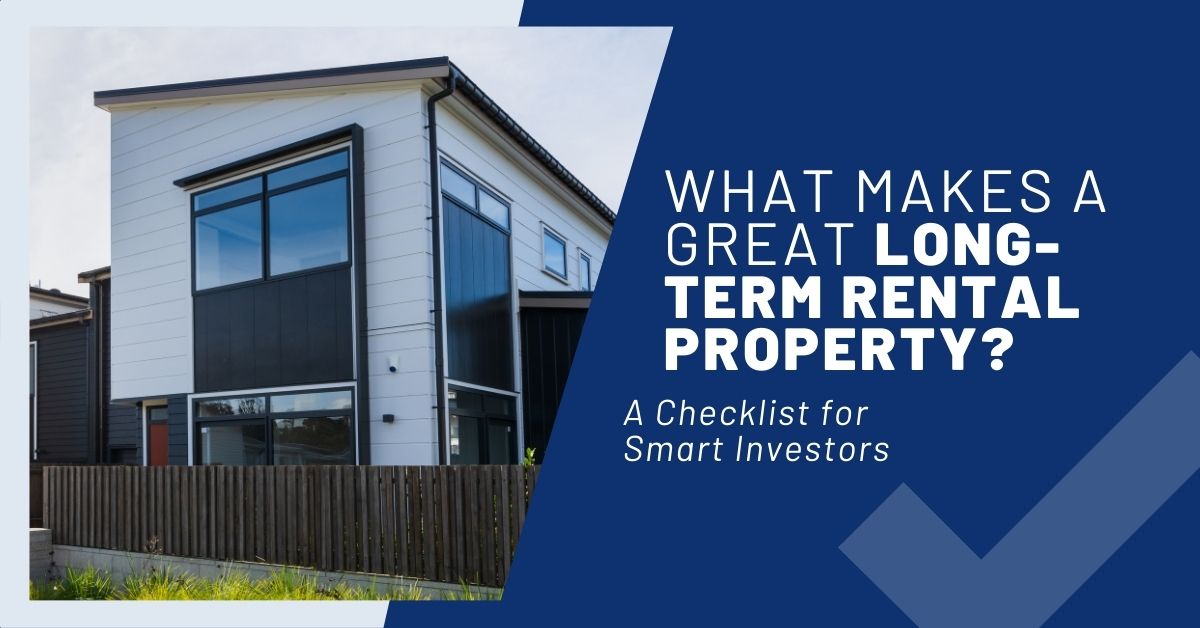
What makes a great Long-Term Property?

What Makes a Great Long-Term Rental Property? A Checklist for Smart Investors

Real estate continues to dominate as America's favorite long-term investment strategy. For the 12th consecutive year, 37% of Americans consider real estate the top investment choice—nearly doubling stocks at just 16%.1 This isn't just sentiment; investors are putting their money where their beliefs are, purchasing 13% of all homes sold in 2024.2

The truth is, real estate offers unique advantages that traditional investments can't match. A rental property provides multiple income streams, delivering monthly rent payments while simultaneously building equity and appreciating in value. Plus, leverage amplifies returns: Even if you put down 20%, you’ll benefit from 100% of the property's appreciation gains. Tax advantages, such as depreciation and deductible expenses, can further boost profitability.

When executed wisely, rental properties can deliver steady cash flow today and significant wealth tomorrow. But success starts with preparation—knowing how rentals make money, who is best suited to invest, what to look for, and where to start.

How Rental Properties Build Wealth

Great rental properties create wealth through three primary channels that work together to compound returns over time:

      Cash Flow represents net monthly income after expenses. The formula: Total rent minus all expenses (mortgage, taxes, insurance, maintenance, management fees, etc.). A duplex renting for $3,300 monthly with $2,700 in expenses generates $600 monthly positive cash flow—money for profit or reinvestment.

      Appreciation refers to property value increases over time. Historically, U.S. home prices have risen approximately 3-5% annually.4 A 5% annual appreciation on a $300,000 house adds $15,000+ to your equity annually from market gains alone.

      Equity growth also occurs as mortgage payments reduce loan principal. Ideally, tenant rent effectively covers these payments, so tenants are purchasing the property for you incrementally. If $500 monthly goes toward principal, you gain $6,000 in equity annually.

The total return combines all three elements. While individual components might not create overnight wealth, together they compound impressively for patient investors.

Who Should Invest in Rentals?

Rental property investing isn’t for everyone. The most successful investors tend to share a few traits:

      Long-term wealth builders with financial stability and risk tolerance typically succeed. Investment properties require substantial down payments (typically 20-30%) plus cash reserves for maintenance and vacancies. You need stable finances with emergency funds before investing, as real estate is illiquid.5

      Detail-oriented, patient investors often find the greatest success. Nearly 90% of real estate investors encounter challenges—bad tenants, unexpected repairs, or incorrect pricing.6 Smart investors educate themselves and analyze numbers carefully before buying.

      Hands-on, resourceful owners who can handle basic maintenance, repairs, and tenant management themselves also have an advantage. These investors can save thousands each year on property management and service fees, boosting overall returns.

If you align with these traits, rental property investing can be a powerful tool for building lasting wealth.

Where to Begin Your Investment Journey

The first step is to contact an investment-savvy real estate agent. We can be an invaluable partner in finding and securing great properties by offering:

      Access to off-market deals that you can’t find on your own. We have extensive networks and can sometimes help you uncover properties before they are publicly listed.

      Expert market knowledge to help you choose the right property. We know which neighborhoods, property types, and home features are the most desirable to renters in our area.

      Deal analysis assistance to maximize your returns. We can help you estimate cash flow, cap rates, and return on investment.

      Ongoing network support that extends beyond closing. We maintain networks of reliable contractors, property managers, investor-friendly lenders, and insurance brokers.

With the right guidance from day one, you can move forward with confidence and start building a portfolio that works for you.

Your Rental Property Evaluation Checklist

Not all rental properties offer equal investment potential. Smart investors use systematic criteria to identify truly great opportunities:

     Location & Market Analysis

Location determines everything—tenant quality, rental demand, and appreciation potential. Focus on areas with strong rental demand near employment centers, universities, or transit systems ensuring steady tenant pools.

Research local vacancy rates carefully. High neighborhood vacancy signals low demand, while low vacancy allows rent increases. Investigate safety and school quality—properties in low-crime areas with good schools attract stable, long-term tenants.5

Evaluate regional economic trends beyond immediate neighborhoods. Growing employment opportunities drive housing demand. Research major employers that are expanding but avoid areas dependent on single industries. Check government infrastructure plans—new transit or development projects can boost values, but excessive new development might increase competition.5

     Financial Analysis

Perform detailed cash flow analysis for every potential property. Calculate expected rent and subtract all expenses: mortgage payments, property taxes, insurance, HOA fees, management costs, maintenance reserves (budget 10% of rent), and vacancy allowances.

The “1% rule” provides a quick assessment—monthly rent should equal at least 1% of purchase price plus any necessary repairs. Therefore, a $200,000 home should rent for at least $2,000 monthly.5 Run sensitivity analysis: What happens if rents drop 5% or expenses increase 10%? Great properties remain profitable under various conditions.

     Property Condition & Carrying Costs

Physical condition directly impacts returns. Older homes with outdated systems may require frequent, costly repairs.7 Schedule professional inspections focusing on major components: roof, foundation, electrical, plumbing, and HVAC systems.

Consider property layout—standard configurations like 3-bedroom/2-bathroom homes appeal to broader tenant bases than unusual layouts. Factor in capital expenditure timelines for major items needing replacement every 15-30 years.

Research property tax rates and insurance costs carefully. Some areas have taxes so high that even nice properties won't generate profit. Get insurance quotes before purchasing, especially for properties in flood zones or disaster-prone areas requiring expensive additional coverage.

     Property Type Selection

For most investors, single-family homes, condominiums, or townhomes offer the best starting point. Single-family homes typically attract longer-term tenants who treat the property as their home, resulting in steadier income.5

Unless you’re planning to use your property as a short-term or vacation rental, avoid highly specialized properties like luxury mansions or tiny studios targeting niche markets with higher vacancy risks. “Bread and butter” 2-4 bedroom homes in middle-class neighborhoods form successful long-term rental portfolio foundations.5

     Due Diligence Requirements

Verify all numbers independently. Research comparable rents for similar nearby properties ensuring realistic projections.7 Check sales comparables to avoid overpaying. Schedule professional inspections and read reports thoroughly—unexpected problems can transform great deals into money pits.

Understand local landlord-tenant laws covering eviction processes and deposit rules. Consult professionals, as needed, for valuable guidance.

If this checklist seems overwhelming, don’t worry! We can help with each of these items. By following this checklist, we’ll separate high-performing rental opportunities from costly mistakes and position you for long-term success.

BOTTOM LINE

Great rental properties aren't found by chance—they're identified through systematic evaluation. Properties that build lasting wealth combine healthy cash flow, solid locations, sound physical condition, and strong growth potential.

Success requires patience, proper analysis, and the right team. While markets fluctuate, well-chosen properties consistently reward investors through income, appreciation, and equity growth creating real wealth over time.

Ready to start building wealth through rental property investment? The fundamentals we’ve outlined provide your foundation, but local market expertise and deal analysis make the difference between mediocre and exceptional investments. Let's discuss how these principles apply to current opportunities in your target market.

Sources

1.     Gallup - "Real Estate Still Best Investment" - https://news.gallup.com/poll/660161/stocks-fall-gold-rises-real-estate-best-investment.aspx

2.     Realtor.com Research - "Investor Report June 2025" - https://www.realtor.com/research/investor-report-june-2025/

3.     Investopedia - "Real Estate vs. Stocks" - https://www.investopedia.com/investing/reasons-invest-real-estate-vs-stock-market/

4.     Redfin Blog - "Average home appreciation per year" - https://www.redfin.com/blog/average-home-appreciation-per-year/

5.     Investopedia - "10 Factors to Consider When Buying an Income Property" - https://www.investopedia.com/articles/mortgages-real-estate/08/buy-rental-property.asp

6.     Clever Real Estate Survey - "Residential Real Estate Investing in 2024" - https://listwithclever.com/research/residential-real-estate-investing-2024/

  1. Investopedia - "5 Ways to Value a Real Estate Rental Property" - https://www.investopedia.com/articles/mortgages-real-estate/11/how-to-value-real-estate-rental.asp

July 9, 2025

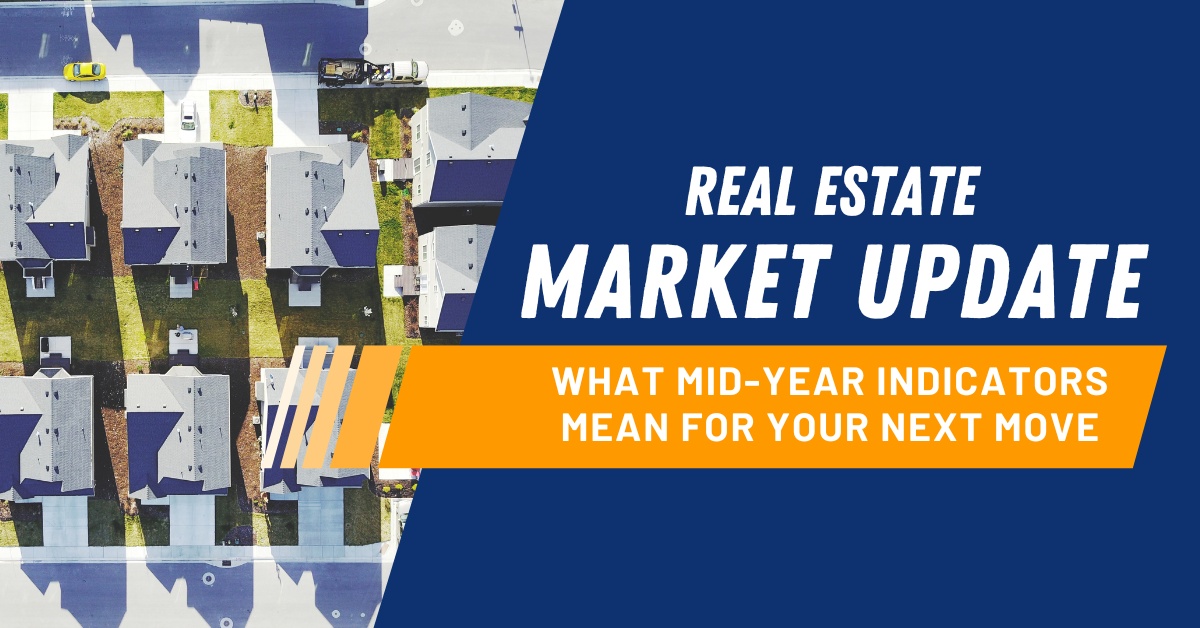
Real Estate Market Update: What Mid-Year Indicators Mean for Your Next Move

Real Estate Market Update: What Mid-Year Indicators Mean for Your Next Move


As we reach the midpoint of 2025, the U.S. housing market stands at a critical juncture. The frenzy of the pandemic-era real estate boom has long since cooled, but in its place we’re seeing a market searching for balance. Higher mortgage rates, cautious buyers, and rising home inventory are combining to reshape what it means to buy or sell a home in today’s climate.


“The housing market is at a turning point,” says Nadia Evangelou, senior economist and director of real estate research at the National Association of Realtors.1 This turning point brings both challenges and opportunities. Whether you’re buying, selling, or just keeping a close eye on the market, understanding these evolving trends is essential.


In this comprehensive market update, we examine four key factors influencing today's housing market and provide actionable strategies for navigating these evolving conditions.


FEWER HOME SALES, BUT MOMENTUM IS GROWING


While existing home sales have seen a modest uptick compared to last year, overall activity remains well below pre-pandemic norms.2,3 Many potential buyers are still on the sidelines, held back by ongoing economic uncertainty and affordability challenges driven by elevated mortgage rates and home prices.4


As Lawrence Yun, Chief Economist for the National Association of Realtors, explains, “Home sales have been at 75% of normal or pre-pandemic activity for the past three years, even with seven million jobs added to the economy. Pent-up housing demand continues to grow, though not realized. Any meaningful decline in mortgage rates will help release this demand.”3


Yet, change is in the air. An increase in inventory, coupled with selective price reductions, is creating renewed interest among buyers. Hannah Jones, senior economic analyst at Realtor.com, told Newsweek in May, “This summer’s housing market is expected to display familiar seasonal patterns, such as increased home sales and rising prices, but overall activity may remain subdued as buyers contend withelevated housing costs.”5


What it means for you:  A slower pace of sales offers opportunities for buyers. With less competition and more room to negotiate, now could be a smart time to reenter the market. 


For sellers, success lies in understanding today’s buyer mindset and pricing your home to reflect current market dynamics. We're here to help you analyze local trends and craft a strategy that gets results.


MORTGAGE RATES REMAIN ELEVATED BUT STABLE


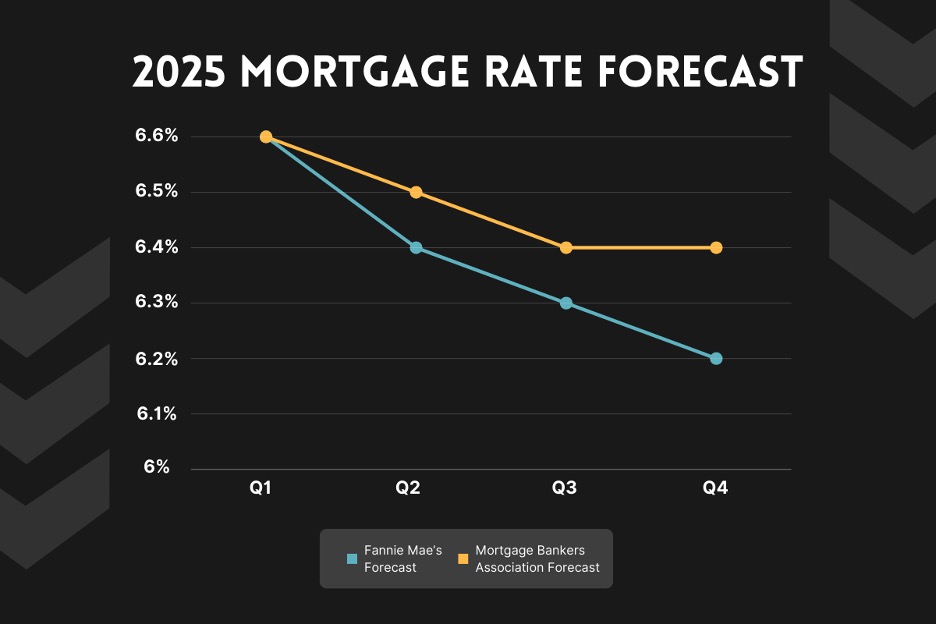
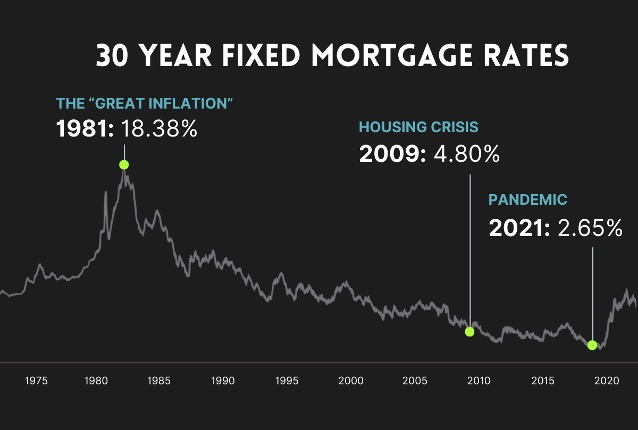
Currently, 30-year fixed mortgage rates are hovering below 7%, and Yun expects them to average 6.4% in the second half of the year.6 While this is a far cry from the sub-3% rates of the pandemic era, it’s becoming the new normal. “Persistently high mortgage rates mean affordability remains top of mind,” explains Jones.5


For many would-be buyers, affordability challenges are now central. Monthly housing payments have more than doubled since the pandemic, not only due to higher home prices but also because mortgage rates are amplifying the cost of borrowing.7 In response, builders and sellers alike are offering concessions—from interest rate buydowns to closing cost assistance.8


What it means for you:  Mortgage rates aren’t likely to drop significantly anytime soon, so waiting for a better rate might not be the most effective strategy. Instead, buyers should focus on ways to reduce costs upfront or refinance later if rates eventually fall. 


Sellers take note: Offering mortgage rate incentives or closing cost support can set your listing apart and expand your pool of qualified purchasers. We can help you evaluate your options and market these perks to today’s cost-conscious buyers.


AN UPTICK IN INVENTORY OFFERS OPPORTUNITY FOR BUYERS


One of the most significant shifts in 2025 is the dramatic change in housing supply. For the first time in recent history, there are far more active sellers than buyers—an estimated 33.7% more. 


This reversal stems from a combination of factors: the return-to-office trend has cooled demand in previously hot markets, while affordability issues continue to keep many potential buyers on the sidelines. At the same time, a growing number of homeowners—tired of waiting out market uncertainty—are choosing to list their properties, further swelling the supply.9


Many major metros are now considered buyer’s markets, especially in the South and on the West Coast. Homes are sitting on the market longer, and stale inventory is piling up. “The balance of power in the U.S. housing market has shifted toward buyers,” says Redfin senior economist Asad Khan.9


What it means for you:  Buyers in many markets now have more choice and leverage than they’ve had in years. Sellers must adapt quickly—pricing aggressively, staging well, and being open to negotiation. 


A skilled agent is an invaluable ally in this climate: For buyers, we can help identify hidden gems and guide strong offers. For sellers, we can develop marketing strategies to move your home efficiently, even in a competitive landscape.


HOME PRICES REMAIN HIGH BUT SHOW SIGNS OF SOFTENING


After years of rapid price growth, the market is seeing a gentle descent back to earth. While some pockets of the Northeast and Midwest are still experiencing price increases, values are flattening or falling in many parts of the country. Newsweek reports that home values declined in over half the U.S. states during the first half of 2025, especially in the Sun Belt region.5


Economists forecast that the median U.S. home price will remain flat in the third quarter and dip about 1% year-over-year by the end of 2025.8 Sellers are beginning to accept that sky-high comps from 2021 and 2022 are no longer relevant–-largely due to persistent affordability challenges.


Households earning $75,000 a year can now afford just 20% of homes on the market—down sharply from nearly 50% before the pandemic.¹ This shift is driven in part by a chronic shortage of housing supply, which continues to keep prices out of reach for many would-be buyers despite recent softening.10


This ongoing supply shortage is expected to prevent a significant drop in home values. As finance expert Michael Ryan tells Newsweek in May, “The housing market isn’t crashing dramatically, more like it’s finally coming back down to earth from a sugar high.”5


What it means for you:  For buyers, softening prices can lead to better opportunities—especially in market segments where listings are lingering. 


For sellers, the key is realism. “Gone are the days when you could slap any old price on your house and expect a bidding war,” says Ryan. Strategic pricing from the start is crucial. We can help determine what your home is truly worth in today’s market.5


LET’S MAKE YOUR NEXT MOVE A SMART ONE


While national housing reports can give you a “big picture” outlook, much of real estate is local. And as local market experts, we know what's likely to impact sales and drive home values in your particular neighborhood. 


If you're planning to buy a home in 2025, you have more options and room to negotiate—but must remain vigilant about financing and affordability. If you're a seller, your strategy should reflect today’s conditions, not yesterday’s highs. And if you’re a homeowner, now is a good time to evaluate whether it makes sense to stay put, refinance, or take advantage of current equity to make a move.


The best decision is an informed one, and that’s where a trusted real estate professional comes in. I have the local insight, negotiation skills, and market knowledge to help you succeed—whether you're buying your first home, selling your third, or simply weighing your next move. Reach out today to start a conversation about your goals and how the current market can work for you.


The above references an opinion and is for informational purposes only.  It is not intended to be financial, legal, or tax advice. Consult the appropriate professionals for advice regarding your individual needs.


Sources:

1.     National Association of Realtors - https://www.nar.realtor/newsroom/americas-housing-affordability-gap-persists-households-earning-75000-annually-can-afford-less-than-a-quarter-of-for-sale-home-listings

2.     Zillow - 
https://www.zillow.com/research/home-value-sales-forecast-33822/

3.     National Association of Realtors -
https://www.nar.realtor/research-and-statistics/housing-statistics/existing-home-sales

4.     MarketWatch -
https://www.marketwatch.com/story/home-buyers-are-finding-the-silver-lining-in-a-stalled-housing-market-especially-if-theyre-in-this-group-1bd9eaff

5.     Newsweek -
https://www.newsweek.com/map-shows-home-values-dropping-half-country-housing-market-shifts-2074904

6.     National Association of REALTORS® Residential Economic Issues & Trends Forum -
https://www.nar.realtor/newsroom/nar-chief-economist-lawrence-yun-says-mortgage-rates-fast-rise-hurt-housing-market-during-realtors-legislative-meetings

7.     National Association of REALTORS® Legislative Meetings 2025
https://cms.nar.realtor/sites/default/files/2025-06/2025-realtors-legislative-meetings-residential-economic-issues-and-trends-forum-lawrence-yun-presentation-slides-06-03-2025.pdf?_gl=1*166ceye*_gcl_au*MTUxMjAyMjU3Ny4xNzQ2ODI4MDcz

8.     Redfin -
https://www.redfin.com/news/home-price-forecast-decline-2025/

9.     ResiClub -

https://www.resiclubanalytics.com/p/housing-market-now-has-500000-more-home-sellers-than-homebuyers-redfin

10.   Realtor.com -
https://cms.nar.realtor/sites/default/files/2025-06/2025-realtors-legislative-meetings-residential-economic-issues-and-trends-forum-danielle-hale-presentation-slides-6-3-2025.pdf?_gl=1*166ceye*_gcl_au*MTUxMjAyMjU3Ny4xNzQ2ODI4MDcz

June 4, 2025

Ready to Buy or Sell a Home?

 Ready to Buy or Sell a Home? Here Are 5 Key Factors in Choosing the Right Agent


Navigating the real estate market without guidance is like starting an expedition without a map. Whether you're selling your cherished family home or searching for your dream property, having the right real estate agent by your side can make all the difference.


According to a 2024 report from the National Association of Realtors, agent-represented homes sold for a median price of $435,000, compared to just $380,000 for those sold by owners alone.1


But home sellers aren’t the only ones who can benefit. A study by the Consumer Federation of America found that homebuyers can save significantly by working with an agent dedicated to their interests.2


While it’s easy to see the advantages of working with a real estate professional, it can be challenging to find the right representative whose expertise, service, and terms align with your specific needs. This comprehensive guide presents five factors to consider when choosing a real estate agent who can deliver results while streamlining the process.


Buyer’s Agent vs. Listing Agent: What’s the Difference?


buyer’s agent represents the interests of the homebuyer. Their role includes helping you find properties that meet your criteria, coordinating viewings, negotiating offers, and guiding you through inspections and closing. They are your advocate throughout the purchasing process.


A listing agent, on the other hand, represents the seller. They are responsible for pricing the home competitively, marketing the property, managing showings, and negotiating with buyers on your behalf. Their job is to sell your home with the best possible terms.

In most cases, homeowners who are selling their current property and buying a new one can work with the same agent for both transactions. This offers convenience and consistency, as your agent will have a full understanding of your timeline, financial goals, and property preferences. However, if you’re relocating to a different city or state, you may need to work with two separate agents—one to list and sell your current home and another with local expertise in your new area to assist with your purchase.


1. Credentials & Reputation


A well-qualified agent brings more than just enthusiasm; they bring training, experience, and a proven track record.


First, check that the agent holds a valid license through your state's real estate commission. Licensed real estate agents must complete state-approved education courses, pass a licensing exam, and stay current with the latest laws and market practices. They are also bound by state regulations and ethical codes, particularly if they are members of the National Association of Realtors.3


Next, inquire about the agent’s continuing education. Real estate designations and certifications indicate additional training and a commitment to excellence in specific areas of real estate.


When it comes to reputation, don’t hesitate to ask for references and check online reviews. Past clients can provide insight into the agent’s communication style, negotiation skills, and ability to manage complex transactions. Prioritize any feedback you receive from trusted family and friends.


Additionally, take time to visit the agent’s website and social media channels to see if they regularly share useful and relevant real estate information, such as market updates, home buying and selling tips, or neighborhood insights. A well-maintained online presence not only reflects their commitment to staying engaged in the industry but also shows they are a resource for their clients before, during, and after a transaction.


2. Local Market Knowledge


One of the most valuable assets a real estate agent can offer is in-depth knowledge of the local market. Whether you're buying or selling, working with someone who understands the neighborhoods, pricing trends, school districts, amenities, and zoning regulations in your target area can give you a significant edge.


A local market expert can help sellers price their home competitively, attract the right buyers, and highlight community features that add value. For buyers, a locally knowledgeable agent can identify hidden gems, alert you to upcoming developments that may impact property values, and advise on which areas offer the best long-term investment potential.


They also tend to have established relationships with local lenders, inspectors, contractors, and other professionals, which can make the entire process smoother and more efficient. When choosing your agent, ask how long they’ve worked in the area and what insights they can offer about your specific neighborhood or region.


3. Service & Value Proposition


Not all real estate agents offer the same level of service, so it’s important to understand what sets one apart from another. Take time to evaluate an agent’s unique value proposition—what they promise to deliver that others may not. This can help you choose someone whose approach and strengths align with your specific needs.


If you're selling a home, ask for a written copy of their marketing plan. What steps will they take to reach qualified buyers? Find out how they determine pricing and how actively they will communicate with you throughout the transaction.


For buyers, consider how the agent searches for properties, how quickly they can schedule showings, and whether they can help you compete in a competitive market. Do they offer guidance on financing, local insight on neighborhoods, or access to off-market listings?


An effective agent should be able to clearly articulate the value they bring, backed by experience, data, and a commitment to personalized service. Ask for a breakdown of their services upfront to ensure you understand what to expect from the partnership.


4. Terms of Representation


Before committing to an agent, it’s essential to understand the terms of your working relationship. Clarify who will be your primary contact and how and when they will communicate with you throughout the process. The best real estate agents establish clear communication protocols and consistently meet or exceed expectations throughout the relationship.


Most agents will ask you to sign a contract that outlines their duties, your obligations, and the scope of services provided. Take time to review the terms carefully and ask questions.


For sellers, the agreement may include the listing price, compensation terms, and the duration of the contract.4 Buyers typically sign a representation agreement, which confirms the agent is working in their best interest during the home search and purchase process.5


Always thoroughly review any buyer or seller agency agreement for termination clauses and commission obligations before signing. Trustworthy agents are transparent about their compensation structure and willing to explain how it aligns with your goals.


5. Ongoing Support


Exceptional agents continue to provide support long after closing. A top-tier real estate professional offers ongoing support, ensuring you have a trusted resource long after the transaction is complete.


Some agents are willing to provide post-purchase assistance, such as recommending reliable contractors, helping you understand your property tax assessments, or offering periodic home value analyses. For sellers, they may provide advice on reinvestment options or an agent referral if you’re planning to move to a new area.


This continued relationship can be especially valuable if you’re new to the area or plan to buy or sell again in the future. Ask potential agents how they stay in touch with past clients and whether they offer any resources or services to support you after closing. An agent who sees the relationship as long-term is one who genuinely values your trust and satisfaction.


READY TO MAKE YOUR MOVE? LET’S TALK.


Choosing a real estate agent is one of the most important decisions you'll make when buying or selling a home. The right partner can make the process easier to navigate and more rewarding, both financially and emotionally.


If you're looking for an experienced, locally knowledgeable agent who prioritizes clear communication, personalized service, and proven results, we’d love the opportunity to earn your trust.


Schedule a free, no-obligation consultation today to discuss your goals, ask questions, and find out how we can help you navigate your next move with confidence. Let’s turn your real estate goals into a successful reality—together.


The above references an opinion and is for informational purposes only. It is not intended to be financial, legal, or tax advice. Consult the appropriate professionals for advice regarding your individual needs.


Sources:

1.     National Association of Realtors -
https://www.nar.realtor/magazine/real-estate-news/fsbos-reach-all-time-low-more-sellers-rely-on-agents

2.     Forbes -
https://www.forbes.com/sites/tedknutson/2019/01/14/home-buyer-could-lose-big-by-not-working-with-agent-serving-them-solely-warns-consumer-federation/

3.     Investopedia -
https://www.investopedia.com/investing/steps-becoming-real-estate-agent/

4.     National Association of Realtors -
https://www.nar.realtor/the-facts/consumer-guide-listing-agreements

5.     National Association of Realtors - 
https://www.nar.realtor/sites/default/files/2024-08/consumer-guide-written-buyer-agreements-2024-08-24.pdf

May 1, 2025

Selling your Home? Here is what Buyers want

Selling Your Home In 2025? Here's What Buyers Want (And How To Deliver)


Thinking about listing your home in 2025? If so, you're smart to start planning ahead. With housing inventory rising in many market segments, today’s sellers need more than just a “for sale” sign to stand out.1


The good news? You can still make a strong impression and command top dollar—if you know what today’s buyers are really looking for.


I’ve outlined six of the top homebuyer priorities in 2025, along with a clear action plan to help you position your property for success. Whether you're weeks or months away from listing, these insights will help you attract serious offers and maximize your return.


BUYER PRIORITY #1: Move-In-Ready Condition


Buyers want homes that are ready to enjoy from day one. In fact, a recent survey found that 94% of buyers said it was either “very important” or “somewhat important” to buy a home that’s move-in ready.2 Properties that feel fresh and well-maintained are far more likely to attract competitive offers.


Seller Action Plan:

      Refresh your interior.
This might include painting rooms in neutral, contemporary colors and swapping outdated fixtures for more modern alternatives. We may also recommend that you take down heavy drapery or dated blinds to brighten your space and clean or replace flooring to create a clean and cohesive look.

      Fix anything that’s broken.
If something isn’t working quite right, repair it now. Provide maintenance records, if you have them, and consider a pre-listing inspection to identify potential issues early—helping avoid delays or negotiations later. We can advise you on the best course of action given your circumstances and your home’s condition.

      Strategically enhance kitchens and bathrooms.
Modern kitchens and bathrooms are a major selling point for many buyers.3 While you don’t necessarily need a full remodel, smaller updates—like replacing kitchen appliances or retiling a bathroom shower—can make a big difference. At a minimum, ensure all surfaces–-including cabinets, countertops, and floors—are clean and in good condition, and address any grout issues or needed repairs.


Our team can help you identify and prioritize strategic improvements that will maximize your home's appeal and market value. Contact us for a free evaluation!


BUYER PRIORITY #2: Flexible Closing Timelines


Many of today’s buyers are juggling complicated schedules and circumstances, especially if they need to time the sale of their current home with the purchase of their new one. If you are able to offer a flexible closing timeline, it can deliver an advantage.


Seller Action Plan:


      Define your ideal timeline and explore your level of flexibility. 
We can discuss your goals and expectations for a closing timeline and consider how much flexibility you might be able to offer buyers. This will depend on your specific circumstances, but additional leeway can be helpful.
 

      Make a plan to get out of your home quickly if needed.
Some buyers need to move out of their current home quickly or relocate by a certain date to start school or a new job. Therefore, they may require an accelerated closing timeline. These buyers will be particularly interested in finding sellers who are willing and able to accommodate a fast closing. Worried about finding a new home if yours sells quickly? We can help you assess your options.4


      Leverage your real estate agent’s negotiation expertise. 
Closing dates can be tricky to navigate. As experienced professionals, we can help you work through the details to arrive at a mutually beneficial arrangement for you and the buyer. 


Trying to figure out a plan for your move? Schedule a free consultation to discuss your specific selling timeline and explore flexible closing options.


BUYER PRIORITY #3: Assistance & Incentives 


The high cost of purchasing a home leaves many homebuyers financially tapped out. Offering strategic assistance and incentives can make your property stand out and attract a larger pool of potential purchasers. That’s why, in a recent survey of real estate agents, the majority recommended offering some type of homebuyer incentive.5


Seller Action Plan:


      Consider closing cost assistance. 
Closing costs remain a significant barrier for many homebuyers, especially first-timers or those with limited savings. You might cover some of these expenses—such as mortgage fees or the buyer’s agent commission—using proceeds from the sale6. This type of assistance can make a big difference in helping buyers afford your home.


      Evaluate the value of a mortgage rate buydown. 
Another option popular with buyers is a temporary or permanent mortgage rate buydown.7 This means that you pay a lump sum upfront to reduce their mortgage rate (and their monthly payments), making a home purchase significantly more affordable for buyers. 


      Offer an improvement allowance or home warranty.
For homebuyers who are already stretched financially, the cost of home improvements and repairs can be a big concern. One way to alleviate those concerns is to offer a home improvement allowance. For example, you could offer to pay a set amount toward new kitchen appliances or to replace worn carpeting. Another solution is to offer buyers a one-year home warranty from a reputable provider. 


The most effective incentive strategies will depend on your specific property and its target buyers. Our team can help you identify creative and impactful options tailored to your home. 


BUYER PRIORITY #4: Curb Appeal 


A well-maintained and visually appealing exterior, often referred to as "curb appeal," is essential for generating interest and bringing buyers in the door. In fact, 97% of Realtors say that curb appeal is important to buyers, and research indicates that properties with strong curb appeal tend to sell faster and for higher prices.8


Seller Action Plan:


      Maintain an immaculate exterior. 
Ensure your landscaping is well-maintained while it’s on the market, with your lawn mowed, hedges trimmed, and flower beds weed-free. If this isn’t your strong suit, invest in a professional service. When it comes to your home itself, a welcoming entrance with a clean, freshly painted front door and updated hardware can make a big difference. 

      Address visible exterior elements. 
Inspect and touch up any peeling or faded paint on the siding or trim, and repair or replace any damaged siding or roofing. Check that your walkways and driveway are in good condition and that your outdoor lighting is sufficient and in working order. 

      Keep things clean. 
Thoroughly power wash the siding, walkways, driveway, and any other exterior surfaces to remove dirt, grime, and mildew. Clean all windows and screens, both inside and out, to maximize natural light and improve the overall appearance of your home. 


We’re happy to offer specific recommendations to enhance your property's curb appeal and to refer you to landscapers, painters, and other professionals for help. 


BUYER PRIORITY #5: Functional Spaces


Today's buyers often prioritize properties that offer flexible and functional living spaces capable of adapting to their evolving needs, ranging from entertaining to remote work.9 This includes the increasing importance of reliable, high-speed internet connectivity, which has become essential for work and school, smart home technology, and overall modern living.


Seller Action Plan:


      Showcase versatile spaces to highlight their adaptability.
Stage rooms to demonstrate their potential for various uses, such as a dedicated home office, a guest room that can also serve as a workout space, or a flexible living area that can accommodate a reading nook.


      Highlight storage and organization solutions.
Functional living isn’t just about primary spaces—it’s also about smart storage. Showcase built-in shelving, closet systems, and other storage solutions that help keep the home organized and clutter-free. This gives buyers a sense of ease and livability.

      Keep connectivity in mind.
Today’s buyers want high-tech capabilities without sacrificing style.10 High-speed internet access has become increasingly important, and technology features—like home automation systems and built-in charging stations—offer seamless integration while preserving a clean, modern aesthetic. If your home features any coveted technology features, be sure to highlight them.


Our team can help you stage your home to attract more potential buyers. Reach out for our recommendations!


BUYER PRIORITY #6: Energy Efficiency & Sustainability


With rising utility costs and a focus on environmental responsibility and clean living, buyers are looking for homes with eco-friendly features.11 A few small changes can help you make the most of that desire and draw in conscious buyers. 


Seller Action Plan:


      Incorporate and highlight sustainable materials.
Buyers are increasingly drawn to homes that feature eco-conscious design choices. If you’ve used sustainable materials—like bamboo flooring, recycled glass countertops, low-VOC paints, or reclaimed wood accents—make sure to highlight these details. They not only enhance your home’s aesthetic but also signal a thoughtful, environmentally responsible approach to design.


      Install energy-efficient features.
While it isn’t always cost-effective to add these features solely to sell your home, if you plan on making any upgrades to windows, systems, or appliances, keep energy efficiency in mind. You may also want to consider upgrades like a smart thermostat that can both help cut utility bills and show potential buyers that your home is loaded with the latest technology.


      Take steps to reduce energy loss throughout the home.
Simple upgrades like sealing gaps around doors and windows, adding weather stripping, or insulating the attic can significantly improve a home’s energy efficiency.12 These improvements may seem small, but they can lower utility bills and demonstrate to buyers that the home has been well maintained with long-term savings in mind.


We can help you identify the most impactful energy-efficient upgrades and highlight your home’s sustainable features to attract today’s eco-conscious buyers.


Partnering for Success: Your Strategic Advantage in Today's Market


Successfully selling your home in today’s competitive and ever-evolving market requires more than luck—it demands insight, preparation, and expert strategy. By aligning your listing with the priorities of today’s buyers, you’ll position your property to stand out and sell faster for top dollar.


I am here to guide you every step of the way. From personalized recommendations and trusted vendor referrals to strategic pricing and marketing, I'm committed to helping you achieve a smooth and profitable sale.


Ready to take the next step? Contact me today for a complimentary home value assessment and customized sales plan designed to make your property shine. Let’s work together to turn your real estate goals into reality!


The above references an opinion and is for informational purposes only.  It is not intended to be financial, legal, or tax advice. Consult the appropriate professionals for advice regarding your individual needs.


Sources:

1.     The Mortgage Report - 
https://themortgagereports.com/111334/monthly-for-sale-home-listings

2.     Bright MLS - 
https://brightmls.com/article/what-will-homebuyers-want-in-2025

3.     Homelight - 
https://www.homelight.com/blog/which-renovations-increase-home-value/

4.     Homelight - 
 
https://www.homelight.com/blog/buyer-how-to-buy-a-house-while-selling-your-own/

5.     Homelight - 
https://www.homelight.com/blog/real-estate-top-agent-insights-for-end-of-year-2024/

6.     Federal Housing Finance Authority - 
https://www.fhfa.gov/blog/insights/opening-new-doors-overcoming-obstacles-to-attain-affordable-homeownership

7.     LendingTree - 
https://www.lendingtree.com/home/mortgage/buydown/

8.     National Association of Realtors - 
https://www.nar.realtor/research-and-statistics/research-reports/remodeling-impact-report-outdoor-features#

9.     Yahoo - 
https://www.yahoo.com/lifestyle/home-trends-buyers-looking-2025-151535883.html

10.   Apartment Therapy - 
https://www.apartmenttherapy.com/2025-house-style-trend-prediction-real-estate-37448456

11.   National Association of Realtors - 
https://www.nar.realtor/magazine/real-estate-news/sales-marketing/13-features-new-home-buyers-say-are-essential-desirable

12.   EnergyStar - 
https://www.energystar.gov/saveathome/seal_insulate/why-seal-and-insulate

March 19, 2025

Realtor Tour March 19th Hilton Head Island South

PT MLS # Area Street Address BR BA Price
RES 450944 Forest Beach 20 Knotts Way 6     6/1 $3,995,000
VIL 449347 Forest Beach 231 BREAKERS VILLAS 1     1/0 $519,900
RES 451068 Palmetto Dunes/Shelter Cove 27 S Shore Drive 4     4/1 $2,595,000
RES 450838 Sea Pines 2 Bateau Road 3     3/1 $1,388,000
RES 451400 Sea Pines 169 Club Course Drive 4     3/0 $1,285,000
RES 450434 Sea Pines 6 Beaver Lane 4     3/1 $1,375,000
RES 451508 Sea Pines 9 Bald Eagle Road W 3     3/1 $2,395,000
RES 450991 Sea Pines 45 Gull Point Road 3     3/1 $2,599,000
RES 450236 Sea Pines 2 Cannon Row 4     4/0 $2,425,000
RES 451314 Sea Pines 30 Saint Andrews Place 4     4/0 $2,795,000
VIL 450348 Shipyard 11B HAMILTON VILLAS 2     2/0 $549,000

I was able to visit some of these listings. First one I went to was 45 Gull Point Road. At first, with the sunken living room and how much had to be touched, I thought it is a teardown. However, the mill work on the home was first rate for its time. The rooms were large and bright. Great water view. Could be an interesting investment.

Next was 2 Cannon Row. Very cute and cozy and nice back yard with pool. The lot had ample space front and back but somewhat tight to its neighbors. There is a conceptual plan for a garage. Two main bedrooms on each floor and nicely appointed. 

9 Bald Eagle Road West was a rental and would make a great beach cottage. Closer walk to beach than 45 Gull Point but no water view. Did have a nice pool in front of home to hang out.

30 St. Andrews Place was a nice surprise. Right on the Harbor Town Golf Links course with a pool towards the front to give privacy. Cathedral ceilings and a nice cozy porch with fireplace. Upgraded kitchen and done on a higher level than many homes.

2 Bateau is charming home with southern style. Three rooms upstairs (one small and works as an office). Great location and has lots of potential to make a cozy home close to resort amenities. 

6 Beaver Lane is a newer home and close to the gate off Otter Road. Cul de sac.

169 Club Course is deep into the Club Course area so not optimal for avid bicyclers but nice neighborhood. Needs updating , same as 2 Bateau. I like location at Bateau better but curb appeal of this contemporary home so depends on buyer's preferences.

All in all we are getting some more inventories in the Sea Pines market overall. With a little bit of vision, one may get an exceptional home/location and but a little work into it to make it phenomenal. Great day for a Realtor Tour.

Respectfully submited,

SUSAN OCHSNER, yourHiltonHeadAgent.com

(843) 816-6388


Posted in Realtor Tour
Feb. 19, 2025

Realtor Tour of Homes and Condos Hilton Head Island - Feb. 19, 2025

Type MLS # Community Address Beds Baths Price
VIL 450547 Hilton Head/General 104 The Oaks 2 1/1 $265,000
RES 450278 Hilton Head Plantation 10 Wild Turkey Run 5 5/1 $1,995,000
RES 447972 Hilton Head Plantation 17 Bayley Point Lane 4 3/1 $1,365,000
RES 448811 Hilton Head Plantation 10 Teal Lane 3 3/0 $947,999
RES 450165 Hilton Head Plantation 4 Christo Drive 4 3/1 $1,250,000
RES 450352 Hilton Head Plantation 3 Windflower Way 3 2/1 $669,000
RES 450521 Hilton Head Plantation 18 Honey Locust Circle 3 2/1 $879,000
RES 449399 Indigo Run 5 Brunson Court 4 4/0 $949,000
RES 450461 Leamington 6 Benty Court E 3 4/1 $1,999,000
RES 450515 Sea Pines 58 N Sea Pines Drive 5 6/1 $4,900,000
VIL 450697 Sea Pines 2396 Lighthouse Tennis Villas 2 2/0 $749,000
RES 448924 Hilton Head/General 38 Bermuda Pointe Circle 3 2/1 $899,000 


These are the homes and condos on tour today. Do any of them meet your fancy? I am happy to do a video tour for you! Just reach out 843.816.6388. I will be commenting on any of the ones I am able to see. They are no longer all day so sometimes I cannot see one due to time conflict. Thank you for understanding.

Yours respectfully,

Susan Ochsner

YourHiltonHeadAgent.com

Posted in Realtor Tour
Jan. 11, 2025

Home Values are going up in 2025

The 2025 Real Estate Report

Experts Predict Home Values to Increase 1.5% to 3.6% in 2025.

Top housing experts and economists give a glimpse of what mortgage rates, home values and the national real estate market will do in 2025. 

Key Takeaways

      Mortgages are forecasted to remain higher for longer; but there are things you can do to lower your rate.

      Home values are predicted to increase incrementally on a national level; and there are projects you can do to increase your home’s value.

      The national market will slightly favor sellers in negotiations; however, real estate is driven by local dynamics and may favor either buyers or sellers.

Note: real estate is a dynamic market and forecasts made in this article will change as the year unfolds.

Mortgage Rates Will Average 6.4% in 2025

In 2023, the average 30-year mortgage peaked at 7.79% following the pandemic. Rates came down from that peak in 2024. What will mortgage rates do in the next year?

The Federal Reserve is predicted to lower the federal funds rate 6 to 8 times in 2025; but mortgage rates are not set by the Federal Reserve and may not drop significantly (National Association of REALTORS®). 

Fannie Mae predicts mortgage rates to average 6.4% in 2025. Mortgage Bankers Association also predicts mortgage rates to average 6.4%, but with slightly higher rates compared to Fannie’s forecast.

Sources: Fannie Mae Housing Forecast: November 2024 and
Mortgage Bankers Association Mortgage Finance Forecast: November 2024


When Will Mortgage Rates Drop Back to 3%?

Historically, rates have never been as low as the pandemic era interest rates. 30-Year mortgage rates averaged between 4% and 6% during & after the housing crisis and Great Recession. A return to a 3% range is very unlikely.

Source: Federal Reserve of St. Louis

Tips to get a better mortgage rate…

While we can’t affect the average 30 year mortgage rate, you can improve your credit and get the best possible rate. Here’s an example of recent mortgage rates by credit score:

Source: myFICO.com

If you’re thinking of making a move, the earlier you talk to a mortgage finance professional, the more time you have to work on improving your credit to get a better rate. 

Need a recommendation to a trusted lender? Send me a message.


Home Values Will Increase by 1.5% to 3.6%

Since 2020, the average sales price of a home has gone up by $97,000 or 29.7% (Federal Reserve of St. Louis). Which indicates homeownership to be a great investment. But, what will home values do in the next year?

On a national level, home price growth is predicted to slow down from 2024. However, home prices are predicted to increase in 2025. Fannie Mae predicts home prices to increase on average by 3.6%. MBA is predicting an average increase of 1.5%.

Sources: Fannie Mae Housing Forecast: November 2024 and
Mortgage Bankers Association Mortgage Finance Forecast: November 2024

Home values are influenced by local market dynamics. If you want to understand what home values are forecasted to do locally, consider talking to a real estate professional.

Want to increase your home’s value? Consider these remodeling projects for the highest return on investment.

Will Home Values Crash in 2025?

For home values to drop significantly, a major influx of homes for sale would have to hit the market. Freddie Mac estimates the U.S. housing stock is 3.7 million units below what’s needed to meet demand. It will take time to build up inventory to meet demand. Which is why a major drop in home values and prices is unlikely.


Will 2025 Be a Home Buyers or Sellers Market?

Who will have the advantage in the 2025 housing market, buyers or sellers? One measure of the market is Months Supply and it shows who has the advantage. 

Months Supply is calculated by dividing the total number of homes for sale by the average number of homes sold each month. For example if there are 500 homes for sale in a particular area and an average of 100 homes are selling each month, the Months Supply is 5 months. 

Here’s a chart of month’s supply going back to November of 2023:

Source: Federal Reserve of St. Louis

6 Months Supply is considered a balanced market. Over 6 months supply is considered a buyers’ market. Below 6 months supply is a sellers’ market. At 4 months supply on a national level, the market slightly favors sellers.

Inventory is rising nationally, however, which could shift the market to favor buyers in the next year. With that said, all real estate is local and local markets will differ in favoring buyers versus sellers. 

If you want to know if your area favors buyers or sellers, send me a message.

What This Means for Homeowners

If you own a home, you will likely see a slight increase in your home's value. If you want to increase your home’s value and enjoy the upgrades, consider making some home improvements. If you want advice on which features or projects are best suited for increasing your home’s value, consult with a professional.

Tips for Potential Home Buyers

If you’re thinking of purchasing a home, the sooner you start planning the better. Knowing your price range, optimizing your credit, and working towards your downpayment are steps you can take now. Even if you’re in the market to buy in the next 12 to 24 months, talking with a real estate professional early in the process will set you up for success.

Tips for Potential Home Sellers

Sellers need to prioritize their objectives. Is getting top dollar for your home the highest priority, is it moving within a specific timeframe? Do you have to sell a home prior to purchasing your next one? These objectives must be prioritized so that an effective plan and marketing strategy can be put into place. Thinking of making a move? Talk to Susan Ochsner today!


SOURCES:

Calculated Risk, Preliminary 2025 Housing Forecasts


Zillow’s Predictions

NAR’s Residential economic issues & trends (Lawrence Yun)

Mortgage Rates

MBA November 24

Fannie Mae November

MyFICO 

Mortgage

2025

Q1

Q2

Q3

Q4

Fannie Mae

6.6%

6.4%

6.3%

6.2%

Mortgage Bankers Association


 Respectfully,

Susan Ochsner

YourHiltonHeadAgent.com

(843) 816-6388